
Daycare Activities are a wonderful way to support early childhood growth, curiosity, and development. Every activity you plan is an opportunity to nurture young minds and build the foundation for lifelong learning. Whether you’re an experienced educator or just starting out, these 10 engaging daycare activities promote early learning and are also perfect for home schooling.
Disclaimer:
This article contains affiliate links. If you make a purchase through these links, we may earn a small commission at no extra cost to you. This helps support our content and allows us to keep providing valuable information.
1. Sensory Play Stations
Children explore the world through their senses, and sensory bins provide a hands-on way to support that natural curiosity. Whether filled with rice, water beads, kinetic sand, or themed items like leaves or small toys, these bins invite little ones to scoop, pour, squeeze, and dig—actions that strengthen fine motor skills and hand-eye coordination. As they play, they begin to describe what they feel, see, and hear, which naturally enhances their vocabulary and communication skills. Sensory play also supports cognitive development by encouraging problem-solving, sorting, and imaginative thinking. Best of all, it’s calming—helping children self-regulate and stay engaged in a soothing, focused way. Sensory bins aren’t just fun—they’re a powerful early learning tool.
Water Beads or Sensory Balls on Etsy
2. Story Time and Reading Corners Daycare Activities
Reading is one of the most powerful tools for early learning, laying the foundation for language development, listening skills, and imagination. When you read to young children regularly, they begin to absorb new words, sentence structures, and storytelling patterns—all of which build their vocabulary and communication abilities. It also helps them learn how to focus, follow along, and process information, which strengthens their listening and comprehension skills. Choosing books with bright, engaging pictures, simple rhymes, and repetitive phrases keeps their attention and encourages participation, even before they can read on their own. These types of books also support memory, prediction, and early phonics. Beyond the educational benefits, reading together fosters connection, builds emotional security, and inspires a lifelong love of learning.
Board Books for Toddlers on Etsy
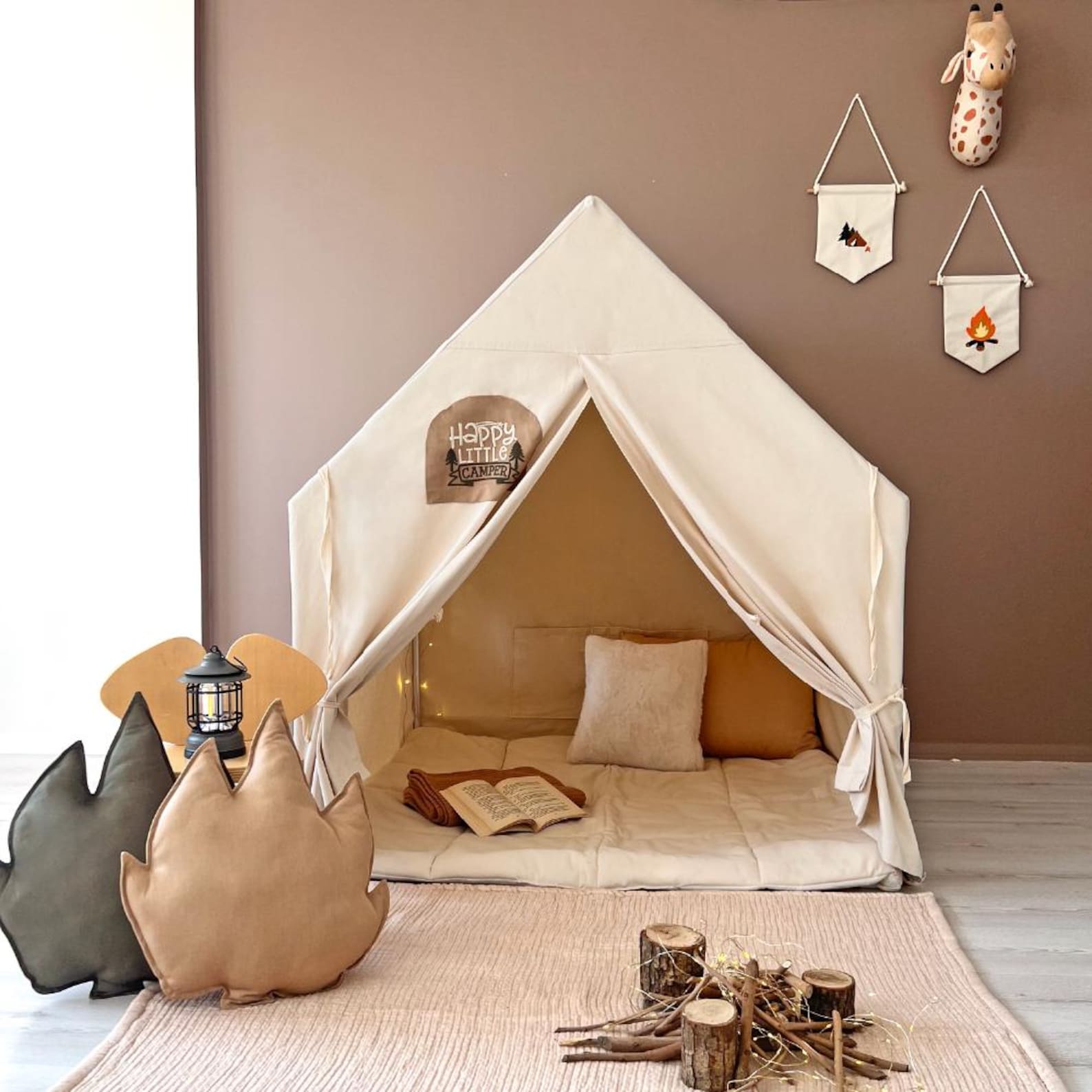
Cosy Reading Tent or Book Nook Furniture on Etsy
3. Music & Movement
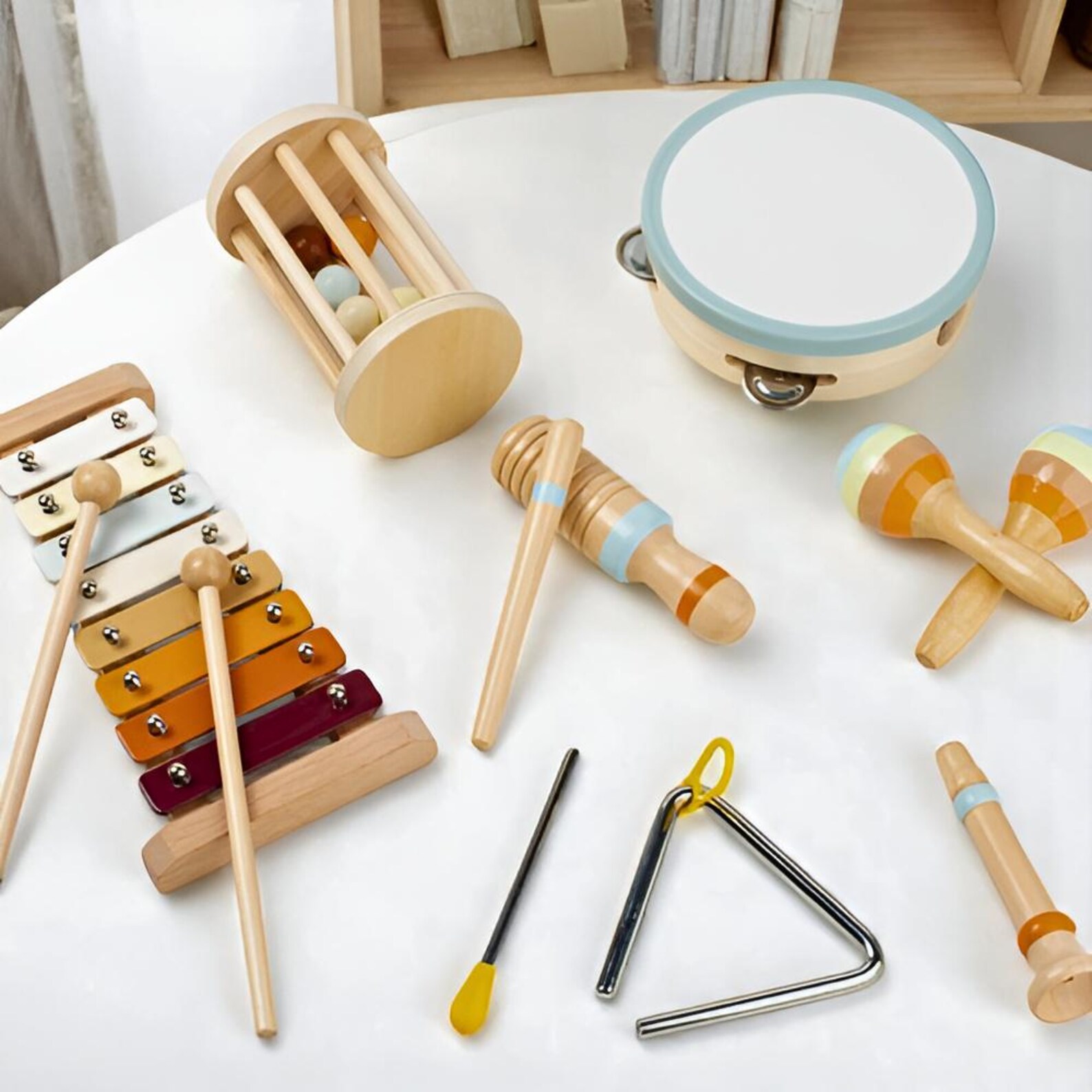
Incorporating dancing, singing, and playing instruments into daycare activities is a joyful and effective way to support early development. These musical activities help children build rhythm and coordination as they move their bodies in time with the beat, improving both gross and fine motor skills. Singing familiar songs and learning new lyrics boost memory, language, and listening abilities, while musical repetition supports early literacy and cognitive development. Music also plays a powerful role in emotional expression—helping children process feelings, reduce anxiety, and build confidence through self-expression. Whether they’re clapping along to a song, shaking a tambourine, or twirling during a dance break, children are learning while having fun. Music brings energy, focus, and a sense of connection to any early childhood setting.
Toddler-Friendly Musical Instruments on Etsy
Preschool Dance & Movement Songs on CD or MP3 on Etsy
4. Arts & Crafts
Crafting is a meaningful and enriching daycare activity that nurtures a wide range of developmental skills in young children. Whether it’s painting with brushes, colouring with crayons, or gluing pieces together to make a collage, these creative tasks offer far more than just entertainment. Craft projects help build fine motor skills by strengthening the small muscles in the hands and fingers—essential for tasks like writing, buttoning, and tying shoes. At the same time, crafting fosters hand-eye coordination and encourages children to plan, focus, and follow steps in sequence, teaching valuable lessons in patience and perseverance. Just as importantly, crafting is a powerful form of self-expression. It allows children to explore their imaginations, make choices, and communicate thoughts and feelings they may not yet have the words for. With every creation, they gain confidence, independence, and pride in their work—key building blocks for both emotional and academic growth.
Washable Paint & Non-Toxic Crayons on Etsy
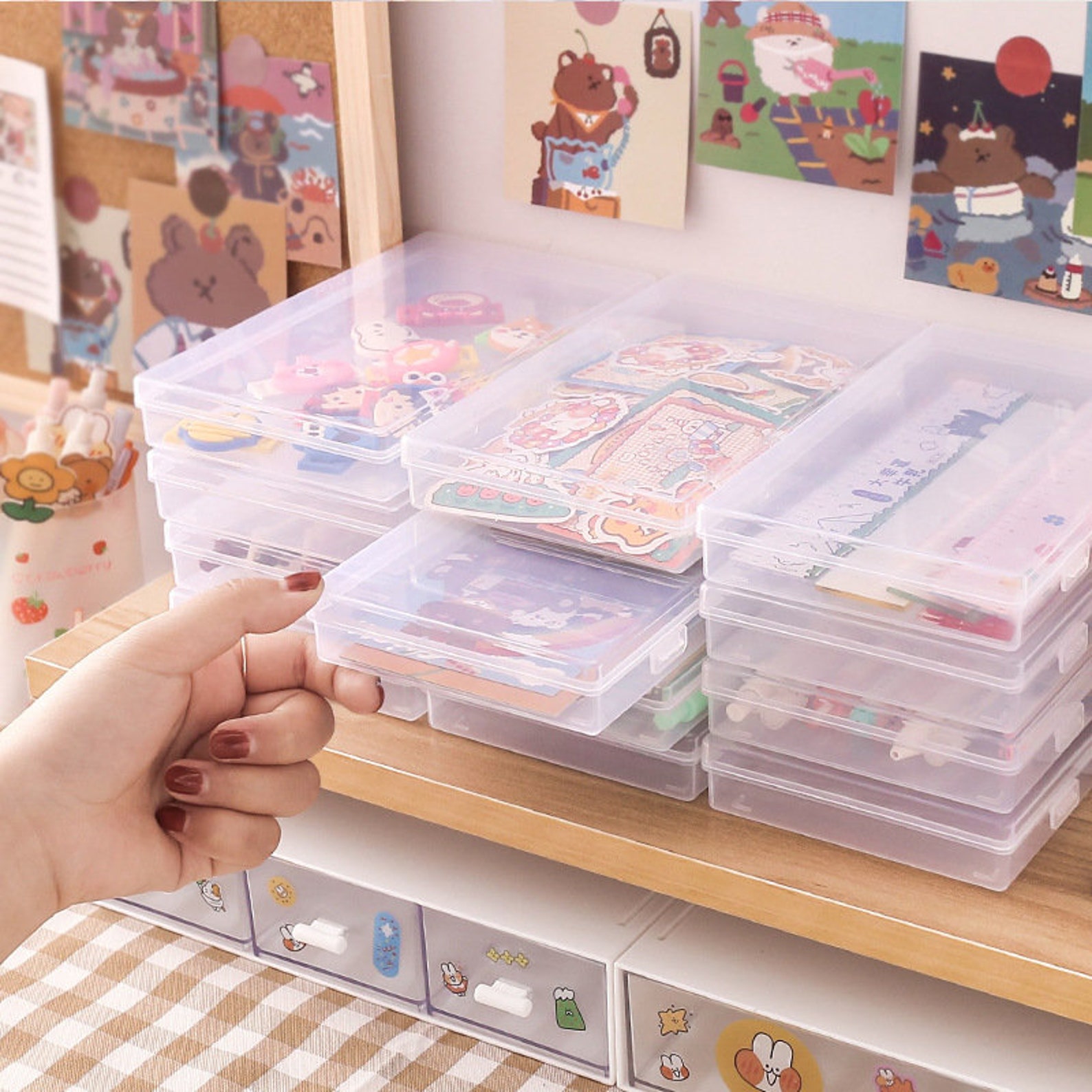
A craft supply organiser is a game-changer for anyone who loves creating—whether you’re a preschool teacher, a parent, or a passionate DIYer. It keeps all your materials—like scissors, glue, markers, beads, and paper—neatly stored and easily accessible, saving you time and reducing clutter. With dedicated compartments and labelled sections, an organiser helps children build independence by finding and putting away supplies on their own. Plus, a tidy, well-organised space naturally encourages more creativity and focused play. Whether it’s a rolling cart, caddy, or drawer system, investing in a craft supply organiser brings both function and calm to your creative corner.
Craft Supply Organiser for Classrooms on Etsy
5. Puzzles & Matching Games Daycare Activities
Simple puzzles, shape sorters, and matching cards are more than just fun—they’re powerful tools for developing early cognitive and math skills. As children manipulate puzzle pieces or match shapes and images, they learn how to analyse, compare, and make decisions, all of which strengthen their problem-solving abilities. These activities also introduce key math concepts such as patterns, categorisation, spatial awareness, and one-to-one correspondence. Sorting shapes by colour or size builds a foundation for later understanding of geometry, while matching games enhance memory, attention to detail, and logical thinking. Most importantly, these hands-on tasks encourage persistence and patience, helping children develop the confidence to tackle challenges and figure things out on their own—skills that benefit them far beyond the preschool years.
Matching Card Games for Preschoolers on Etsy
6. Outdoor Exploration
Spending time outside is one of the most valuable experiences for young children, offering a unique combination of learning, discovery, and movement. Activities like nature walks, gardening, or simple scavenger hunts spark children’s natural curiosity and help them make real-world connections with what they see, hear, touch, and smell. Whether they’re collecting leaves, observing bugs, or planting seeds, children begin to develop early science skills such as observation, classification, and cause-and-effect reasoning.
Outdoor play daycare activities support physical development—building strength, coordination, balance, and gross motor skills as children run, jump, climb, and explore uneven surfaces. It encourages risk-taking in a safe way and improves spatial awareness. Plus, the fresh air and sensory richness of nature have a calming effect, helping with emotional regulation and mental focus.
Best of all, outdoor exploration fosters a sense of wonder and connection to the natural world—something children carry with them for life.
Nature walks, gardening, or scavenger hunts encourage curiosity about the world. It’s also great for physical development.
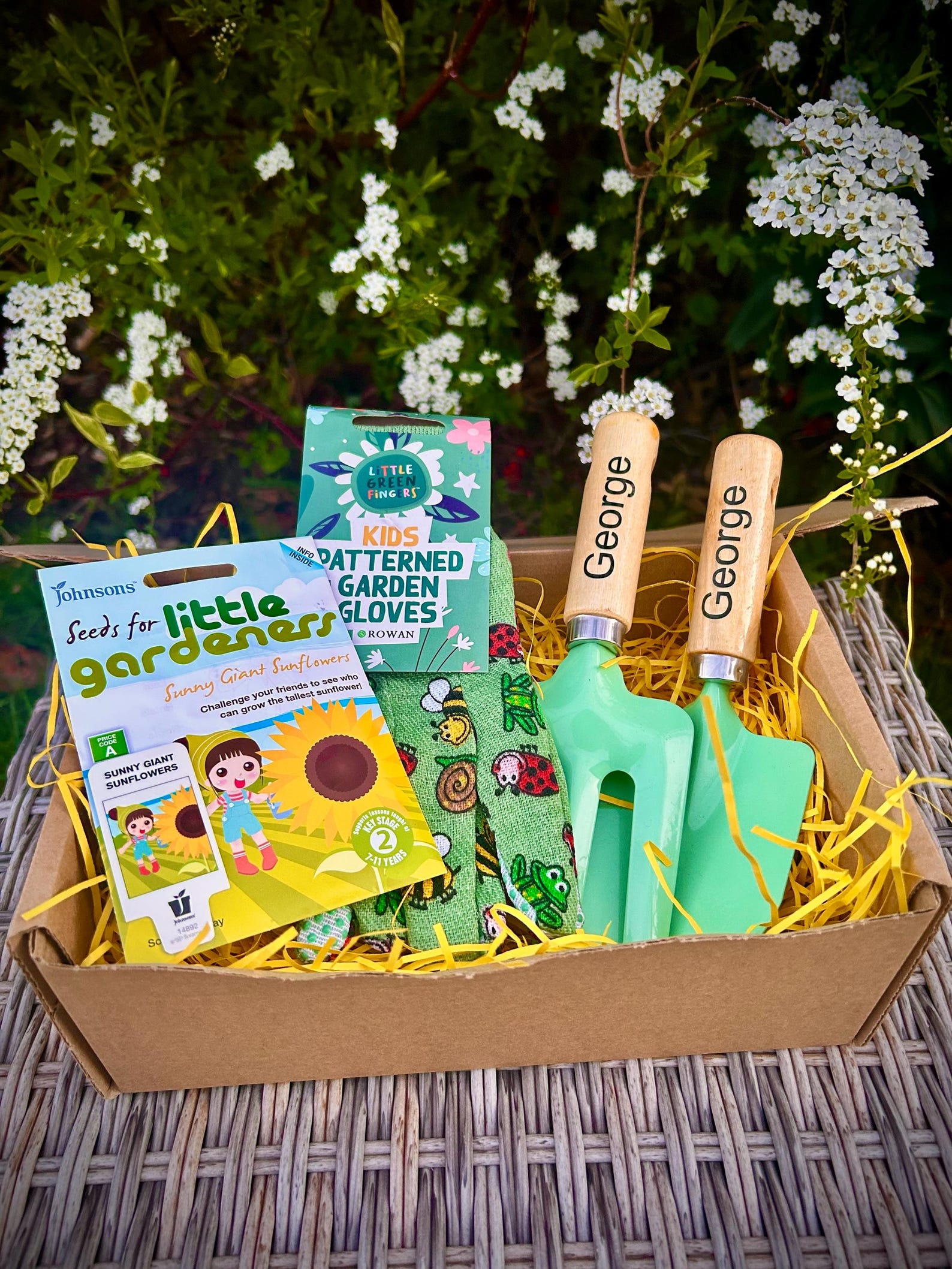
Child-Sized Gardening Tools on Etsy
Bug Catching Kits or Nature Journals
7. Free Play with Educational Toys
Free play is one of the most essential parts of a child’s day, offering time for creativity, independence, and social development. Unlike structured activities, free play allows children to make their own choices, follow their curiosity, and explore ideas at their own pace. It fosters imagination as children create stories, build worlds, and take on roles—whether pretending to be a doctor, building a castle with blocks, or setting up a pretend grocery store.
Through free play, children also practice important social skills, such as sharing, negotiating, taking turns, and resolving conflicts. These moments teach empathy, cooperation, and communication—skills that are just as important as academic learning.
Choosing the right materials can help enrich this time. Open-ended toys like building blocks, pretend play sets, dolls, animal figurines, or sensory bins encourage deeper engagement and exploration. Free play isn’t “just play”—it’s foundational for emotional growth, problem-solving, and self-confidence.
Pretend Play Kitchen Sets on Etsy
8. Circle Time and Group Learning
Circle time is a valuable part of the daily routine in any daycare or early learning setting. It creates a sense of community by bringing children together in a shared, focused space where they can connect, participate, and feel like part of a group. This structured yet engaging time helps reinforce important social-emotional skills such as turn-taking, active listening, and respecting others’ voices.
Beyond its social benefits, circle time is also a great opportunity to introduce and reinforce daily routines, giving children a predictable structure that helps them feel safe and confident. Activities like welcome songs, weather reports, show-and-tell, and calendar time support early learning in areas like language, math, and time awareness, all while keeping things interactive and fun.
Adding familiar songs or fingerplays boosts language development and memory, while incorporating visuals like felt boards, charts, or puppets helps children stay engaged and retain new information. With consistency and creativity, circle time becomes a joyful, enriching moment that sets the tone for the day ahead.
9. Fine Motor Skills Stations
Activities like threading beads, cutting paper, or using tweezers are more than just fun—they play a crucial role in developing fine motor skills. These hands-on tasks help children strengthen the small muscles in their fingers, hands, and wrists, which are essential for everyday tasks like buttoning clothes, feeding themselves, and most importantly, learning to write.
By practicing precise movements—such as grasping a bead, manoeuvring scissors, or pinching tweezers—children improve their hand-eye coordination, dexterity, and control. These skills form the physical foundation needed for holding a pencil correctly, forming letters, and writing with ease and stamina later on.
Beyond physical development, these fine motor activities also teach children patience, focus, and perseverance. They’re a fun, engaging way to build independence and confidence while preparing children for more advanced tasks in school and life.
Lacing Beads or Threading Toys
Child-Safe Scissors and Cutting Practice Books
10. Role Play and Dramatic Play Daycare Activities
Dress-up stations and imaginative role-play scenarios—such as a pretend doctor’s office, grocery store, or fire station—offer children powerful opportunities to learn through play. When children step into different roles, they practice empathy by imagining how others feel, think, and act. For example, pretending to be a doctor caring for a patient encourages compassion and nurtures a basic understanding of helping others.
These scenarios also build communication skills, as children talk through their roles, negotiate storylines, and collaborate with peers. They learn to express themselves clearly, listen to others, and take turns—skills that are essential for strong social development.
Additionally, role-playing supports the development of practical life skills. Playing “grocery store” teaches concepts like money, counting, food groups, and even manners, while setting up a pretend office or classroom fosters organisational thinking and responsibility. As children dress up, assign roles, and act out real-life situations, they also develop creativity, confidence, and problem-solving abilities in a fun, natural way.

Dress-Up Costumes for Toddlers on Etsy
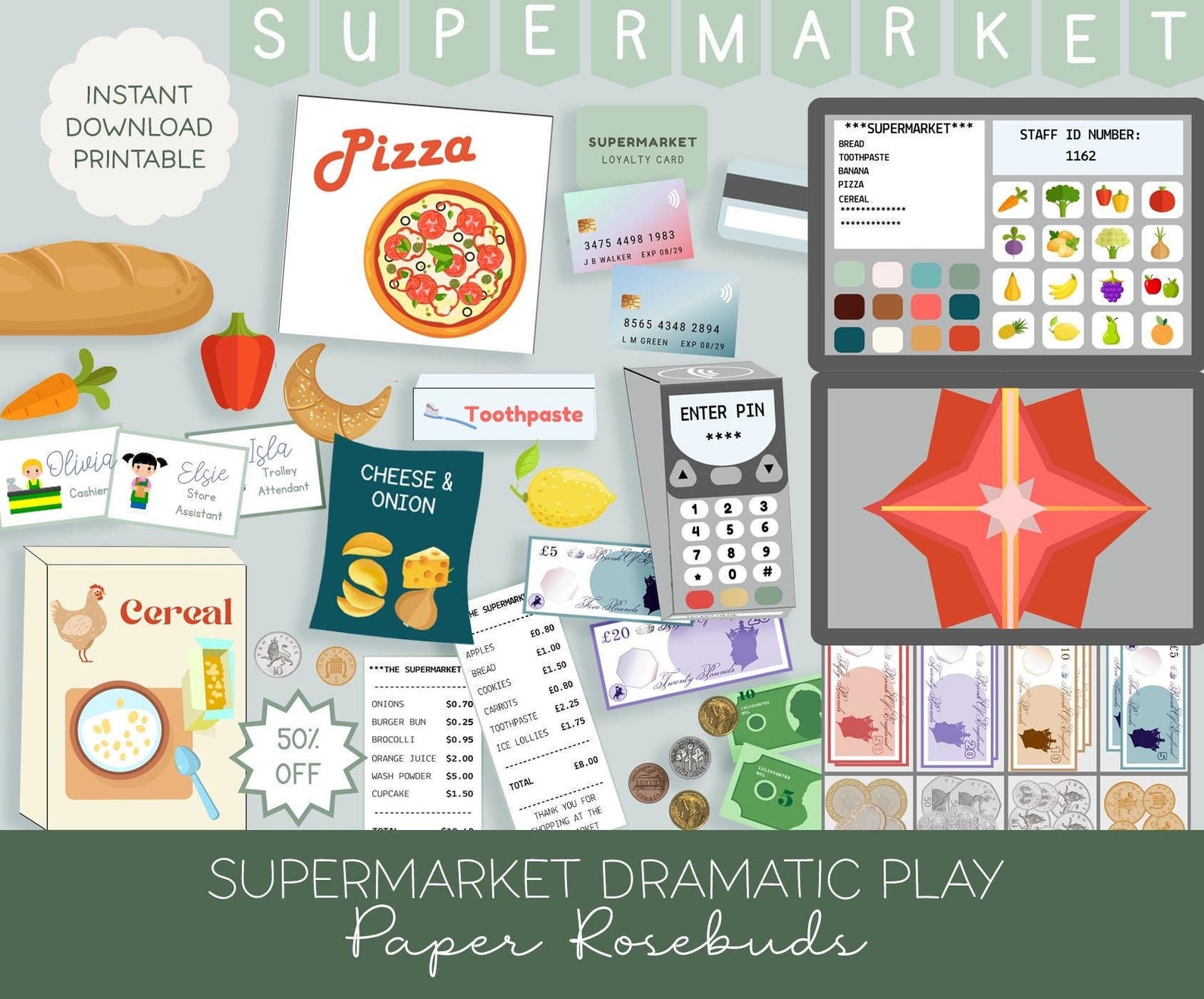
Dramatic Play Accessories Printables on Etsy
Final Thoughts
The best daycare activities strike a balance between fun and foundational skills. With the right tools, you can create a dynamic learning environment that sparks curiosity and builds confidence. Looking for other ways to keep kids amused check out this post.
Check out the must have daycare forms.