
If you’re looking for a step-by-step guide to start a daycare at home then this article is for you. Opening a daycare nursery can be one of the most rewarding careers if you have a passion for early childhood development and a desire to make a positive impact. However, it’s also a big responsibility and requires careful planning, licensing, and setup. Here’s a detailed guide to help you start your journey.
Disclaimer:
This article contains affiliate links. If you make a purchase through these links, we may earn a small commission at no extra cost to you. This helps support our content and allows us to keep providing valuable information.

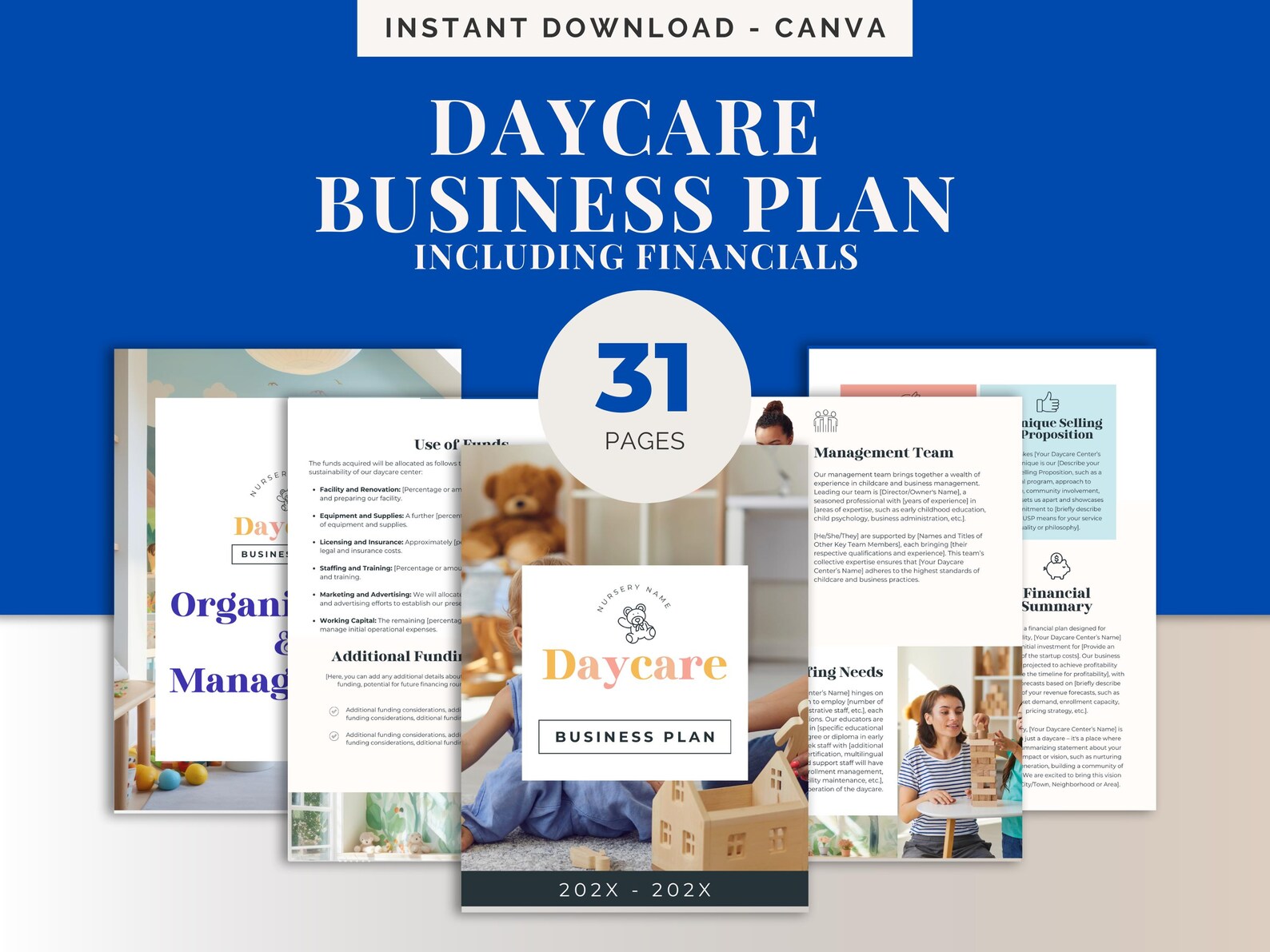
Step 1: Create a Business Plan
Start with a clear daycare business plan that outlines:
- Your vision and goals — What kind of daycare do you want to run? (Home-based, small private nursery, etc.)
- Target age group — Babies, toddlers, preschoolers?
- Hours of operation — Full-day, half-day, after-school care?
- Staffing needs — Will you work alone or hire assistants?
- Pricing structure — Calculate tuition fees based on your expenses and the local market.
- Projected expenses — Rent, equipment, salaries, insurance, utilities.
- Profit goals — Set realistic income expectations.
A daycare start up business plan not only guides you but may be needed if you apply for grants or loans.
Check out my start up daycare business plan on Etsy that includes financials.
Step 2: Understand Licensing and Legal Requirements
If you want to start a daycare at home, remember that childcare is highly regulated. Be sure to research your local government’s requirements.
- Licensing — Apply for a daycare licence or registration.
- Insurance — Public liability insurance, professional indemnity, and property insurance are important.
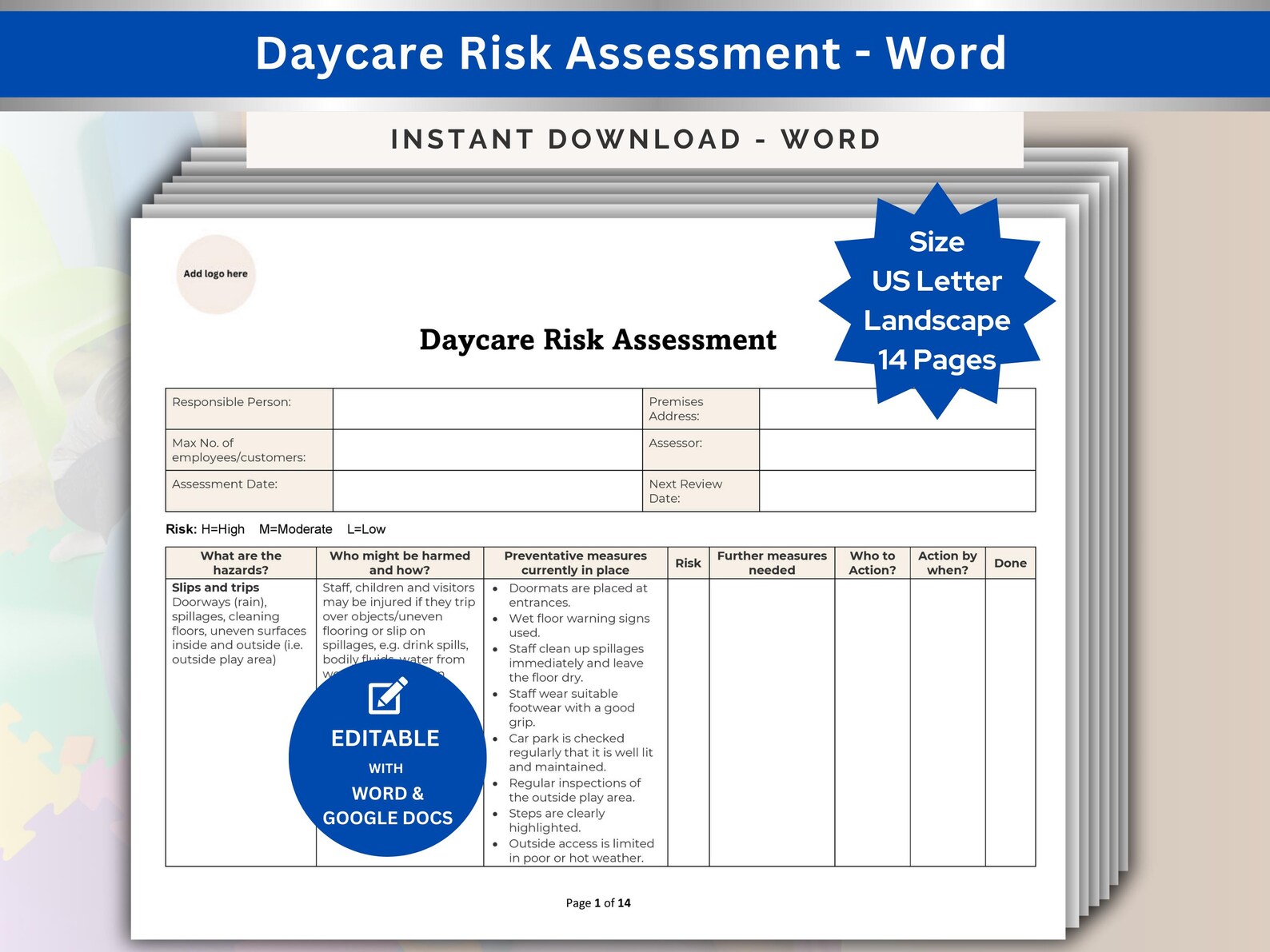
- Health and safety compliance — Meet fire safety, food safety, and general childcare regulations. Check out my daycare risk assessment document on Etsy.
- Background checks — All staff (and sometimes household members) may need a criminal background check.
Contact your local authority or a regulatory body like Ofsted (UK) or your state’s department (US) to get a checklist.
Step 3: Start a Daycare at Home – Find and Prepare Your Location
To start a daycare at home the environment must be safe, clean, and welcoming. Depending on your business model:
- Home daycare — Childproof all rooms and create separate areas for play, meals, and naps.
- Commercial space — Ensure it’s zoned for childcare and has enough space per child, as required by law.
Think about:
- Outdoor play areas
- Clean and child-safe bathrooms
- Secure entrances and exits
- Storage for toys, supplies, and records
Invest in safety equipment: baby gates, outlet covers, fire extinguishers, and first aid kits.
Step 4: Start a Daycare at Home – Equip Your Daycare
Purchase essential supplies:
- Child-sized furniture (tables, chairs, cots)
- Educational toys and games
- Arts and crafts supplies
- Books for different ages
- Cleaning supplies (sanitisers, wipes)
- Meal/snack preparation supplies (plates, cups, utensils)
Keep a good balance of fun and educational materials to encourage development across key learning areas.
Step 5: Hire and Train Staff
Depending on your size, you may need assistants or teachers. Look for:
- Qualifications in early years education
- First aid and CPR certification
- Passion for working with children
Provide regular training in child development, safety procedures, and your daycare’s philosophy to ensure consistency.
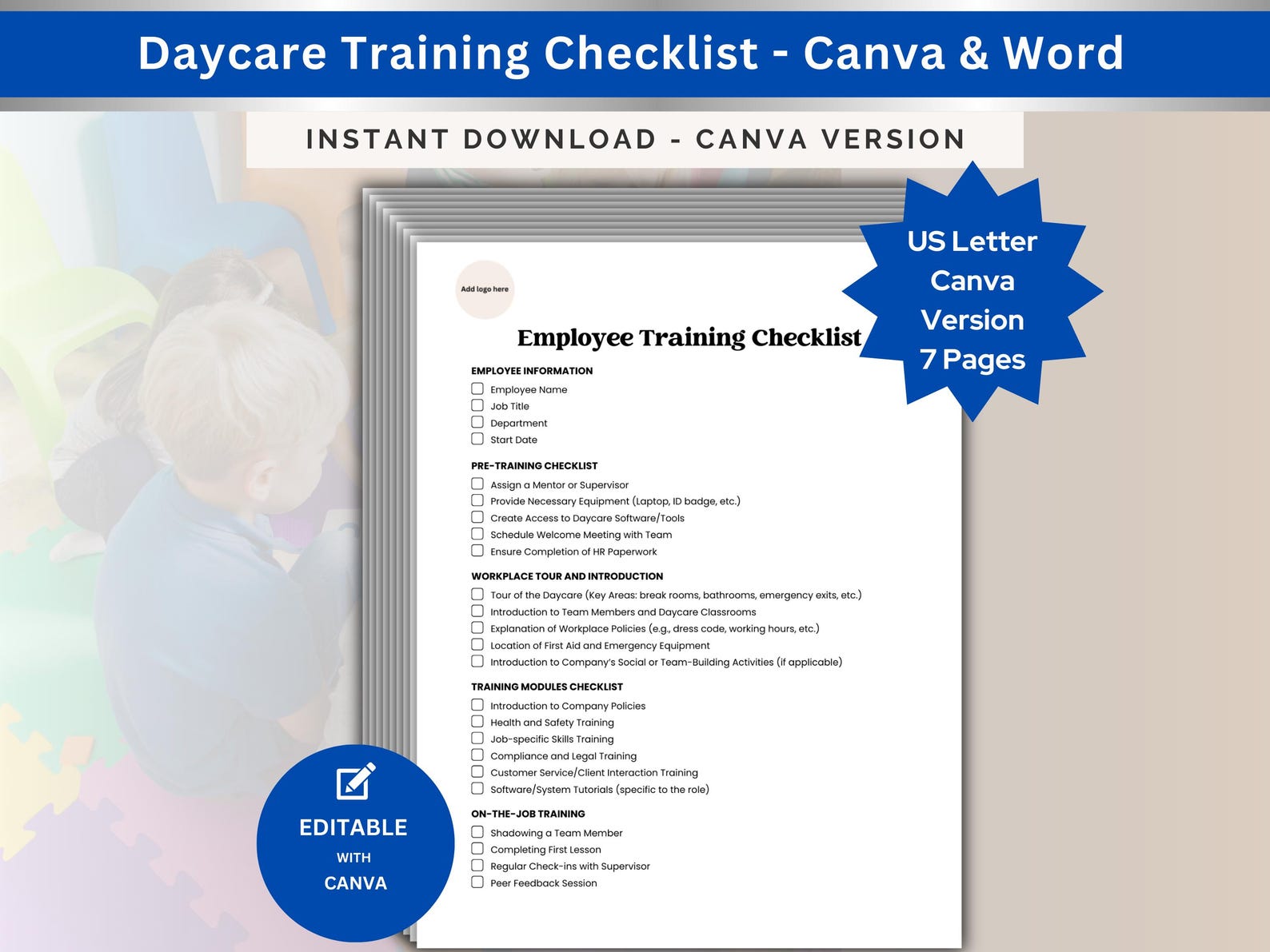
Check out my daycare training checklist for a new starter.
Step 6: Set Your Policies and Procedures – Start a Daycare at Home
Before you start a daycare at home, check your local government’s regulations to ensure you meet all licensing, safety, and childcare requirements. It’s also important to create a handbook that includes:
- Admissions and waiting list policies
- Daily schedules and routines
- Health and illness policies
- Behaviour management techniques
- Payment policies (due dates, late fees)
- Emergency plans and contacts
Having clear rules from the start will avoid misunderstandings later.
Step 7: Develop a Curriculum or Learning Program
Even if you are not a formal “school,” parents love seeing structured learning activities. Include:
- Basic literacy and numeracy
- Sensory play
- Outdoor activities
- Music and movement
- Art and creativity sessions
- Social and emotional learning
A flexible schedule keeps children engaged and ensures a balance between free play and structured learning.
Step 8: Market Your Daycare
Get the word out with smart marketing:
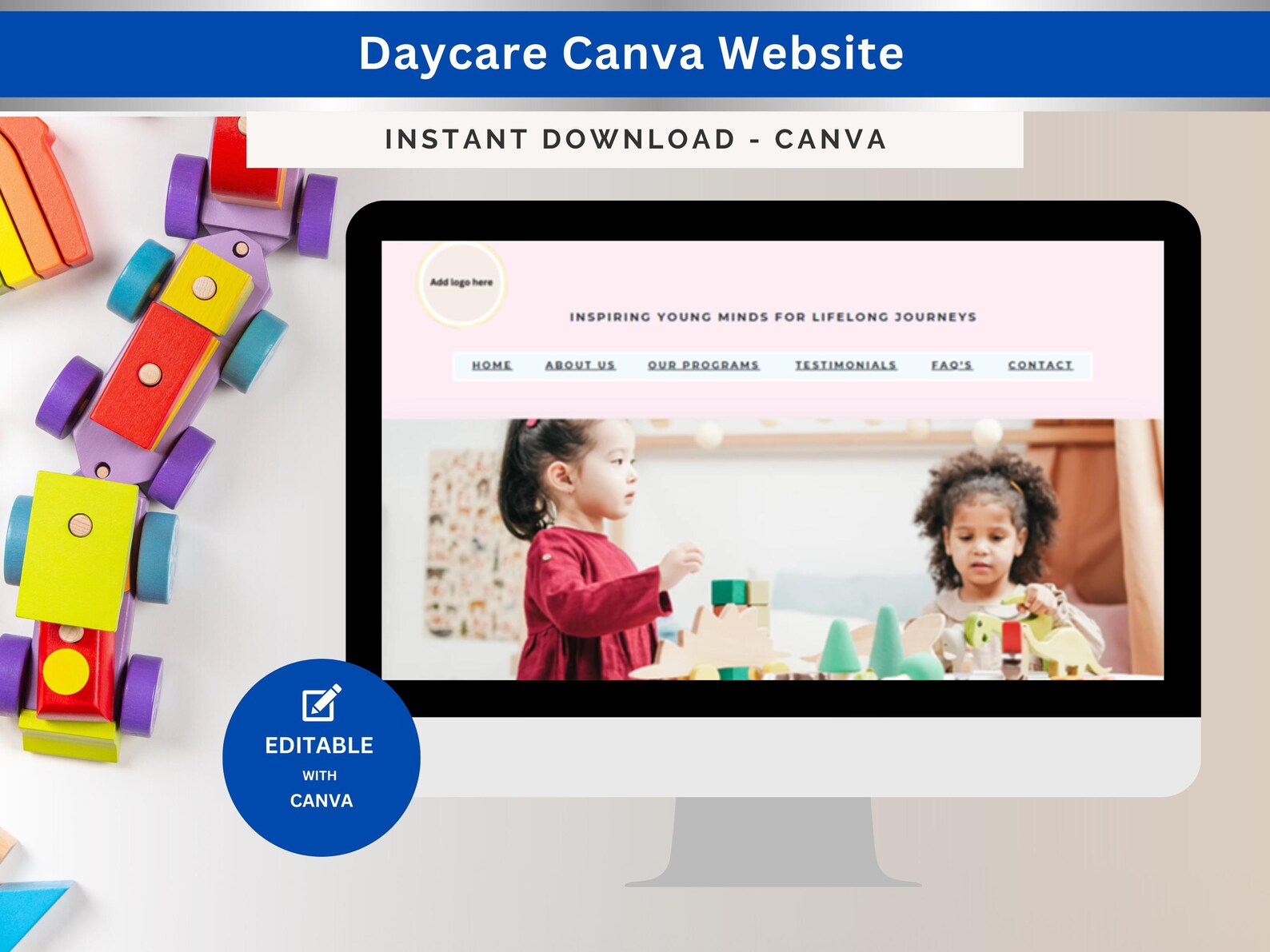
- Build a simple website — Include your services, rates, and contact information. This can be a simple Canva website like that below.
- Create flyers — Share in libraries, coffee shops, community centres, and online groups.
- Use social media — Post photos (with permission), updates, and reviews.
- Offer open days — Invite parents to visit your nursery and meet you.
Word of mouth will be powerful once your first families are happy with your service.
Step 9: Build Strong Relationships with Parents
Trust is key in childcare. Set up:
- Daily communication (notes, apps, or verbal updates)
- Regular parent meetings
- Newsletters with photos and updates
Be available to discuss children’s progress, concerns, and achievements. Good communication builds loyalty and referrals.
Final Thoughts
Starting a daycare nursery is a big commitment but also a heartwarming and fulfilling business. With the right planning, a safe environment, caring staff, and a passion for early education, you can create a trusted and thriving childcare centre. Every smile and milestone you witness will be a reminder of why you started.